Start here
Four decisions, in order
Specify in this order: wood (beech, lotus, ash, balata, birch, cedar or walnut), shoulder profile (42–45 mm) and body length (380–450 mm), then the logo method — laser engraving with gold fill as standard, or bare engraving, a metal nameplate, pad printing or hot stamping. Packing is confirmed at quotation.
Every hanger quotation comes down to the same four choices: which wood, what shoulder profile, how the logo is applied, and how it is packed. Get these in the wrong order and the quotation changes late — which is why we ask for them before anything is cut.
This guide covers wood, profile and logo. Packing is specified at quotation, because it changes with the destination and the room-block labelling.
1 · Wood
Seven woods, one recommendation
Beech for hotel room blocks that must look identical; lotus for boutique ranges with visible grain; walnut where the hanger is display rather than utility.
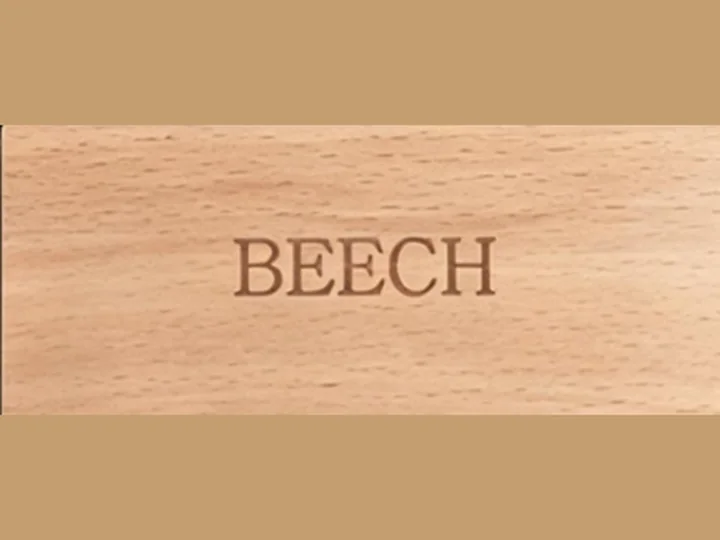
Beech has a tight, uniform grain and a pale tone that takes paint predictably. It is the default for hotel programmes because 2,000 pieces look like one piece.
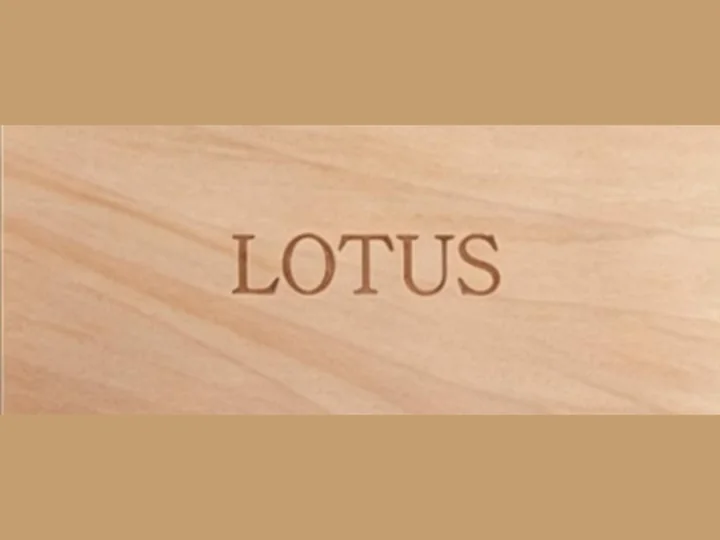
Lotus is darker and heavier in the hand, with more visible grain variation. It suits boutique ranges where a slightly organic look is acceptable, and it is the usual choice for budget-sensitive stock lines.
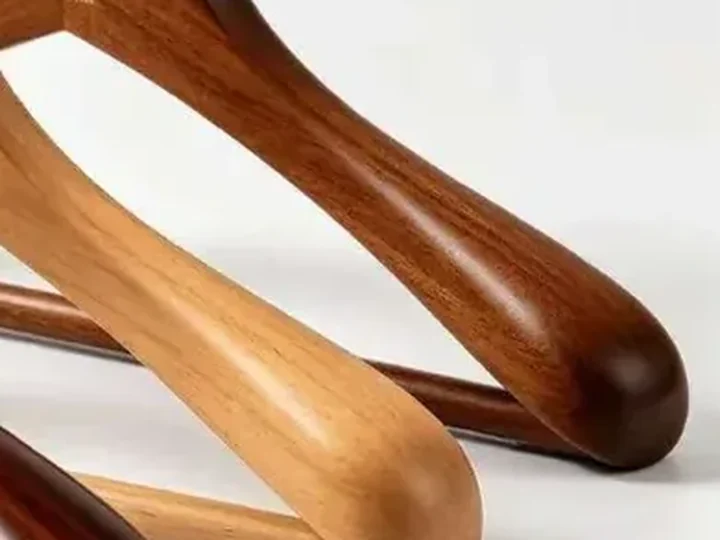
Walnut is the darkest and most expensive of the three. It is specified where the hanger is part of the display — a boutique rail, a luxury fitting room — rather than a working tool in a hotel wardrobe.
Wood samples
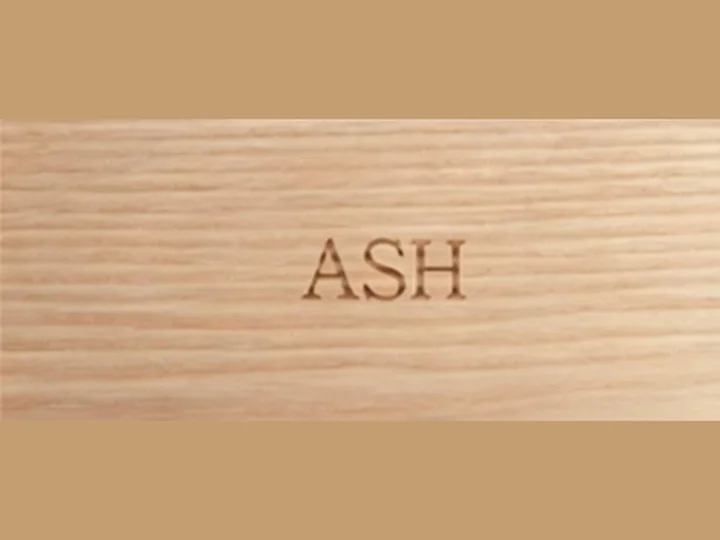
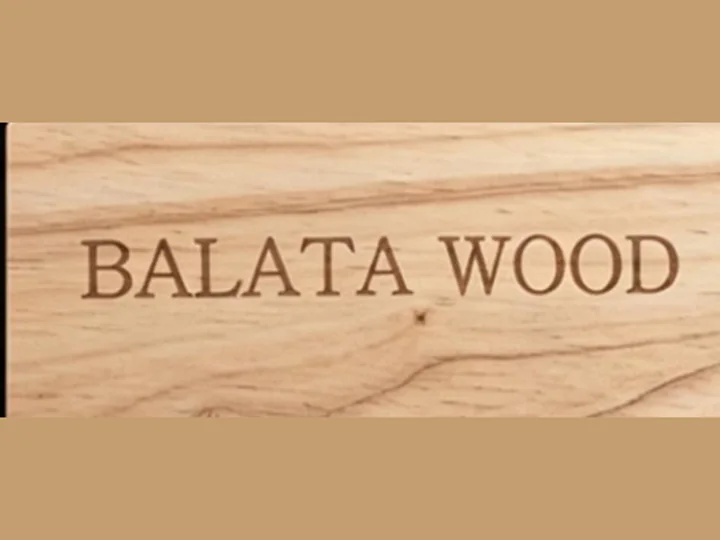
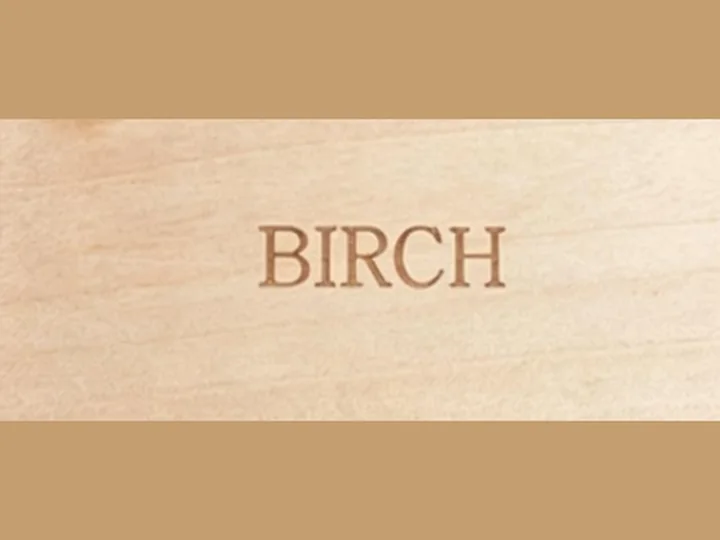
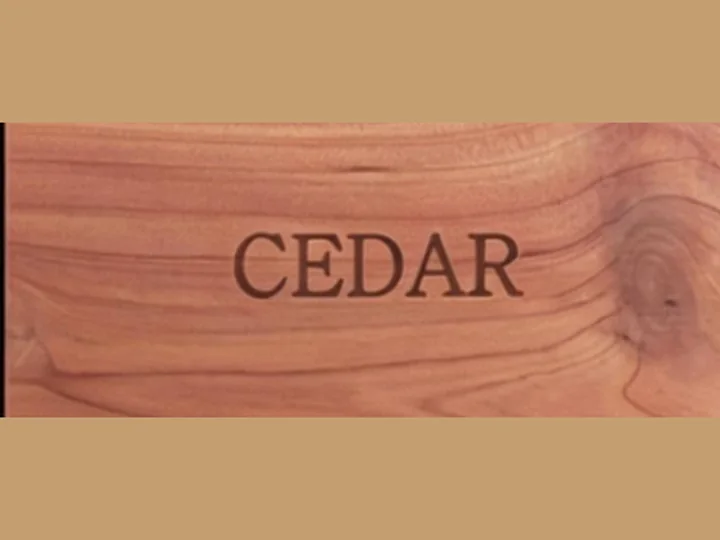
Seven woods, photographed
Beech is the default for hotel work; walnut where the grain should read; lotus the value alternative.
Comparison
The three workhorses, compared
Beech, lotus and walnut cover most orders; ash, balata, birch and cedar are specified when the grain or the scent is the reason.
| Property | Beech | Lotus | Walnut |
|---|---|---|---|
| Grain | Tight, uniform | Visible variation | Pronounced, dark |
| Tone | Pale, paints evenly | Darker, warmer | Darkest |
| Hand feel | Light | Heavier | Heaviest |
| Best for | Hotel room blocks | Boutique ranges | Display and luxury retail |
| Matching risk | Low | Medium | Medium to high |
2 · Profile
Shoulder and body
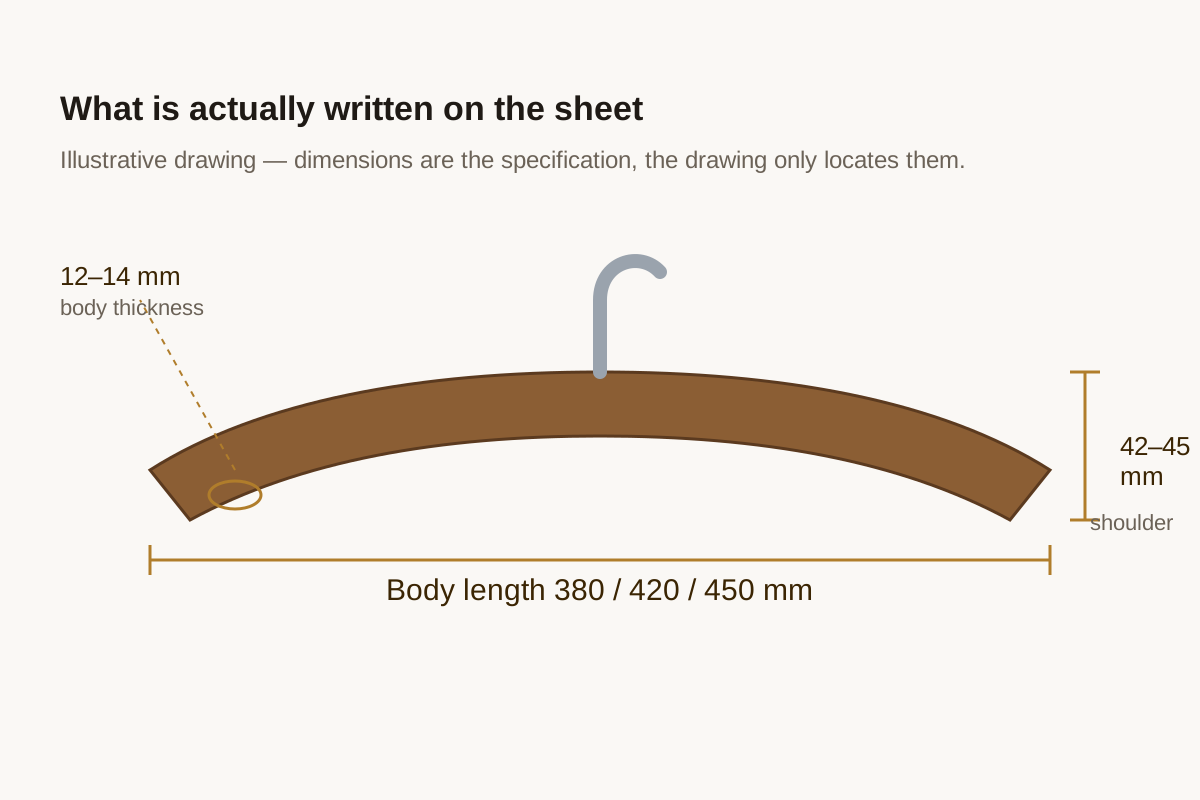
A wide-shoulder profile holds a tailored jacket at 4.5 cm overall thickness; body length follows the garment (380 mm shirts, 420 mm suits, 450 mm coats) on a 12–14 mm wood panel.
The shoulder carries the jacket. Below about 40 mm the shoulder line collapses into two dents that the customer sees in the mirror; 42–45 mm holds a tailored jacket without padding the wardrobe out.
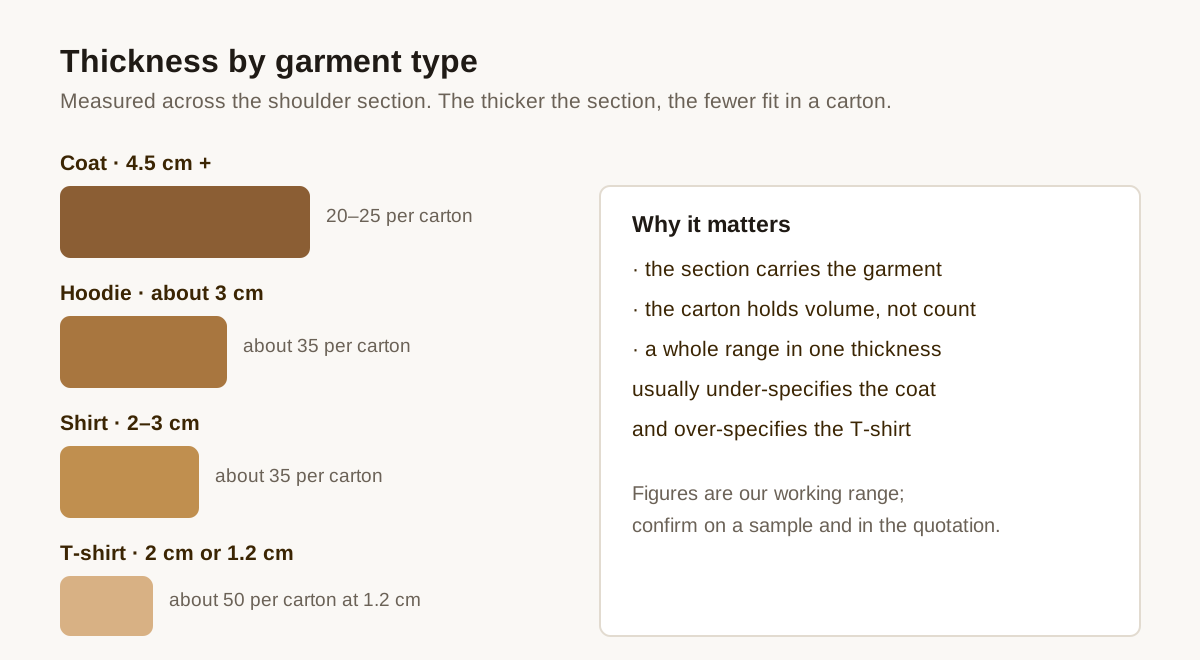
Body length is set by the garment, not the wood: 380 mm for shirts and light jackets, 420 mm for suits, 450 mm for overcoats. Overall thickness sets the support band and the carton count: 4.5 cm and up for coats, about 3 cm for knitwear, 2–3 cm for shirts, 2 cm or 1.2 cm for T-shirts. The wood panel itself runs 12–14 mm — thinner panels cup under load, thicker ones look heavy on a retail rail.
Dimensions
The drawing to specify from
Dimensions
What each number does
| Dimension | Typical range | What changes |
|---|---|---|
| Shoulder profile | Wide shoulder, 4.5 cm overall | Jacket shoulder support; a thinner section leaves dents |
| Body length | 380–450 mm | Garment coverage: shirt, suit or coat |
| Overall thickness | 4.5 cm coat · 3 cm hoodie · 2–3 cm shirt · 2 or 1.2 cm tee | Support band and carton count |
| Panel thickness | 12–14 mm | Load stiffness and visual weight |
| Hook | Chrome-plated, 360° swivel | Rail handling in hotel wardrobes |
3 · Logo
Laser engraving with gold fill, and the alternatives
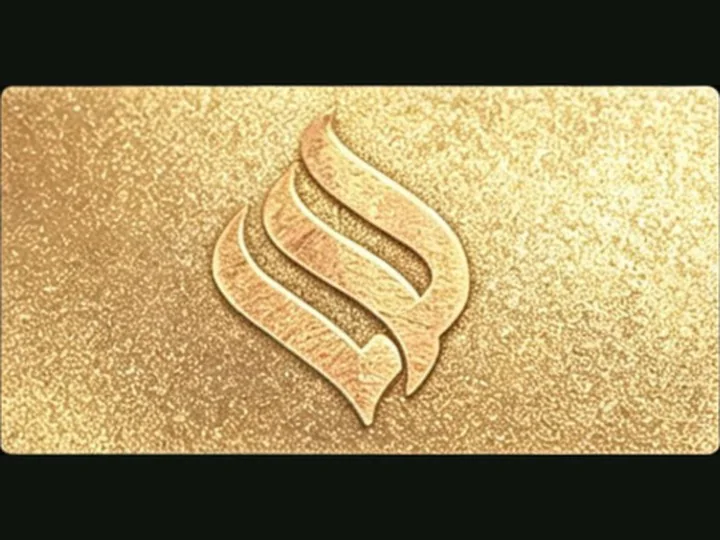
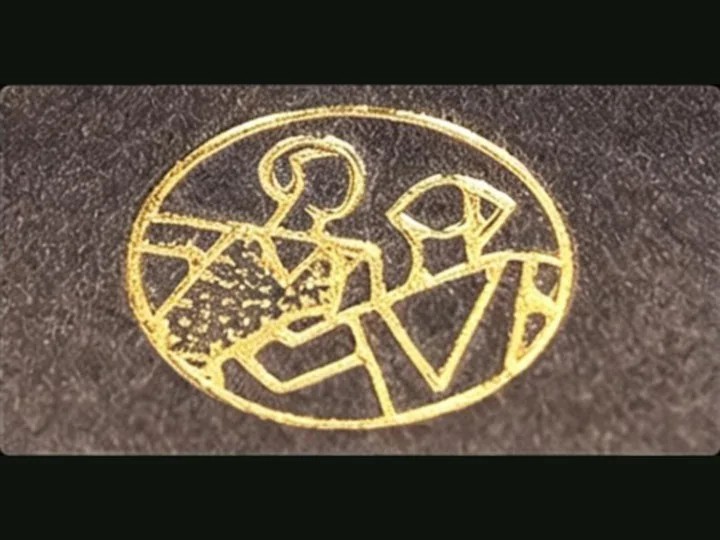
Our standard is laser engraving with a gold fill: no die cost, and it reads on pale beech and dark walnut alike. Bare engraving is the quiet alternative where the mark should read as shadow; a metal nameplate carries a one-off die and is chosen where a metal surface is part of the design; hot stamping is the lowest unit cost at volume and the least durable where a hand grips the shoulder.
Our main method is laser engraving with gold fill: the mark is cut into the wood and the recess filled with gold, so it reads by depth and by contrast at the same time. It carries no die cost, which is why it is the default for hotel and retail programmes. Bare engraving — the cut with no fill — is the quieter option where the mark should read as shadow rather than colour.
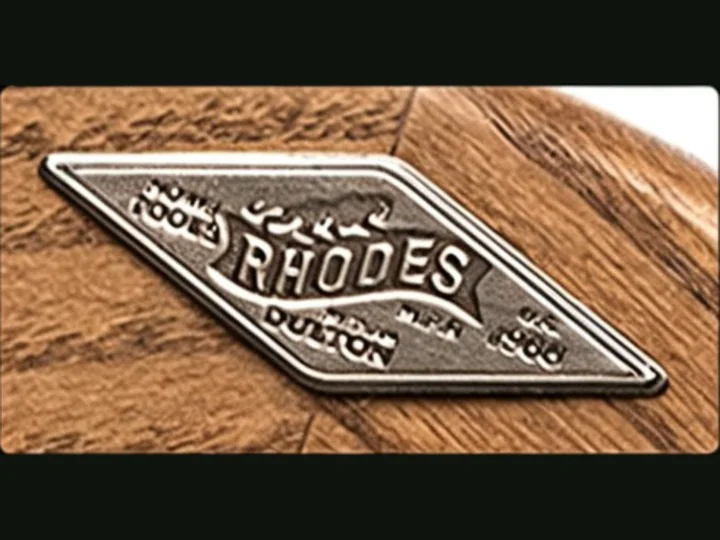
A metal nameplate is a thin plate fixed to the body — the most durable option, usual where a hanger passes through hotel laundry handling, but it carries a one-off die cost.
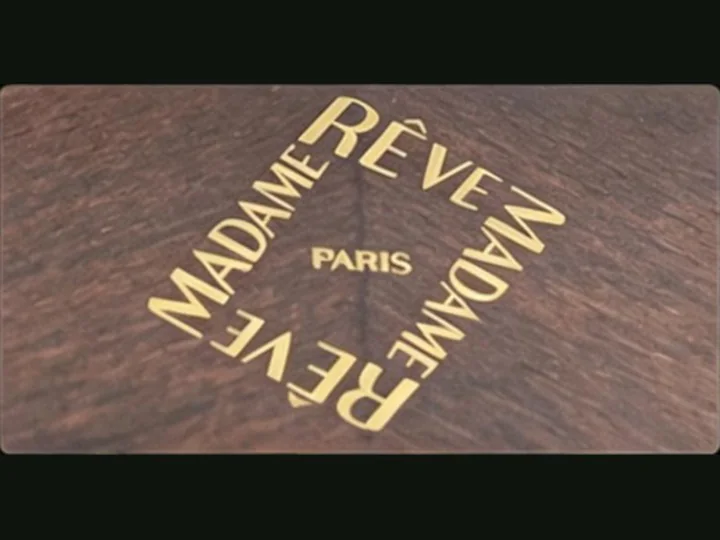
Hot stamping transfers a coloured mark under heat: lowest unit cost at volume and the least durable of the three. For a hanger looked at but not handled hard, it is often the right answer.
Logo methods
Five ways to mark the wood
Laser engraving with gold powder is the standard; bare engraving, a metal nameplate, pad printing and hot stamping are the alternatives.

Thickness
Four thickness bands, one decision each
Comparison
Choose by handling
| Method | Durability | Cost structure |
|---|---|---|
| Laser engraving | High | No die, per-unit only |
| Metal nameplate | Highest | One-off die + per-unit |
| Hot stamping | Moderate | No die, lowest per-unit |
Have a specification to check against these criteria? Get a written quotation →
FAQ